The early years of childhood are an important period for learning, exploration, and personal growth. During this time, children begin developing the communication, social, emotional, and problem-solving skills that support future learning. Everyday experiences, interactions with others, and opportunities to explore new ideas all contribute to this development. A positive early education environment can help young children build confidence, develop healthy routines, and become more comfortable learning independently and with others.
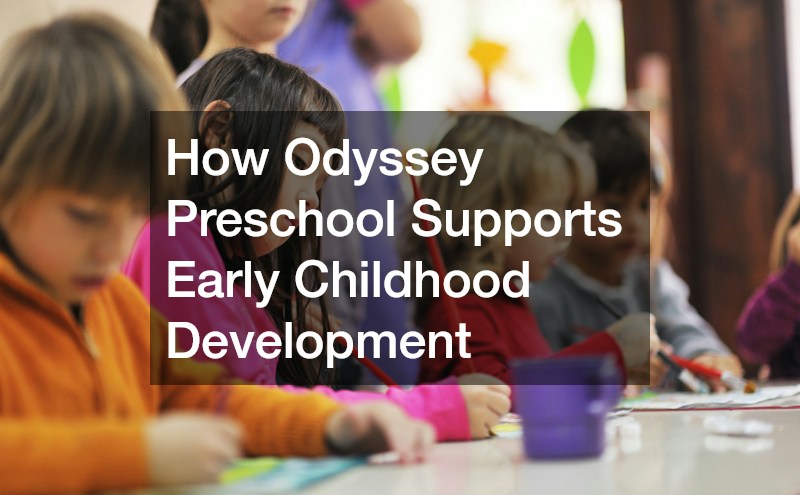
Preschool gives children opportunities to practice these skills in a structured setting outside the home. Through guided activities, creative play, group interactions, and age-appropriate lessons, children can explore their interests while learning how to participate in a classroom community.
Families considering Odyssey Preschool can look at how early learning experiences support development across several areas. Understanding the value of preschool can help parents recognize the skills children begin building before entering elementary school.
Encouraging Social Skills Through Group Activities
Learning to interact with other children is an important part of early development. Preschool provides regular opportunities for children to share materials, take turns, participate in group activities, and communicate their needs. These experiences help young learners understand how their actions affect others and how to participate in shared activities.
Group play also introduces children to different personalities, ideas, and perspectives. They begin learning how to cooperate, listen, and work toward common goals. Activities such as building with blocks, completing puzzles, and participating in classroom games can encourage teamwork while helping children practice patience.
Conflicts can also occur as children learn to interact with peers. With appropriate adult guidance, these moments can become opportunities to practice expressing feelings, listening to others, and finding solutions. Over time, children can become more comfortable building friendships and participating in social settings.
Developing Early Academic and Thinking Skills
Preschool introduces foundational concepts that children can build upon as they progress through school. Early learning activities often include numbers, letters, shapes, colors, patterns, and basic comparisons. These concepts help children become familiar with academic ideas without requiring them to master advanced material before they are ready.
Hands-on activities can make these concepts easier for young learners to explore. Sorting objects by color, counting classroom materials, identifying shapes, and arranging items by size all introduce early math skills. Letter recognition, songs, rhymes, and shared reading can help children become familiar with sounds and written language.
Problem-solving activities also encourage children to think independently. Puzzles, construction toys, and simple classroom challenges give them opportunities to test ideas and adjust their approach. Rather than focusing only on completing a task, these experiences help children practice curiosity, persistence, and flexible thinking.
Encouraging Creativity and Physical Development
Creative activities give children opportunities to explore ideas and express themselves in different ways. Drawing, painting, music, pretend play, and simple crafts can encourage imagination while supporting fine motor development. These activities also allow children to make choices, experiment with materials, and develop confidence in their creative abilities.
Physical development is another important part of early education. Activities such as running, jumping, dancing, climbing, and playing with balls help children practice balance, coordination, and large muscle movements. Fine motor activities, including coloring, stacking blocks, and handling small classroom materials, support the hand control needed for tasks such as writing and using everyday tools.
A variety of activities can help children develop both physical and creative abilities. Movement breaks can give young learners opportunities to use energy and practice coordination, while quieter activities provide time for concentration and careful movements. Offering different experiences throughout the day can support a balanced approach to early childhood development.
Establishing Routines and Positive Learning Habits
Daily routines help young children understand what to expect and how to prepare for different activities. A predictable schedule can make transitions between playtime, meals, group lessons, and rest periods easier to understand. Familiar routines also give children opportunities to practice following directions and managing their time.
Preschool can help children become comfortable with classroom expectations, such as listening during group activities, putting materials away, and waiting for their turn. These habits support participation in a shared learning environment. They also introduce children to the structure they will encounter in kindergarten and later grades.
Positive learning habits develop through repeated experiences and encouragement. Children benefit from opportunities to ask questions, explore new activities, and continue working when something feels challenging. At Odyssey Preschool, families can consider how classroom routines and learning activities contribute to children’s readiness for future educational experiences.
Preparing Children for Continued Learning
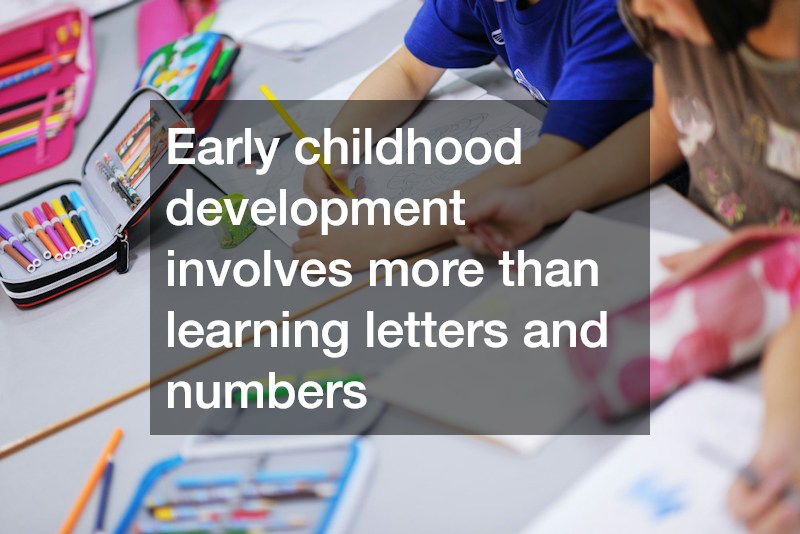
Early childhood development involves more than learning letters and numbers. Children also need opportunities to communicate, build relationships, manage emotions, solve problems, and develop independence. Preschool brings these areas together through daily experiences that encourage exploration and participation.
Choosing an early education program involves considering the classroom environment, learning activities, teacher communication, and opportunities for individual growth. Families can ask about daily schedules, classroom expectations, and how educators support children with different interests and learning needs. These conversations can help parents determine whether a program aligns with their child’s developmental stage and family priorities.
Odyssey Preschool can be part of a child’s early learning experience by providing opportunities to practice important skills before kindergarten. With consistent encouragement and age-appropriate activities, children can develop confidence, curiosity, and a positive attitude toward learning. These early experiences help establish a foundation for continued growth at school and beyond.