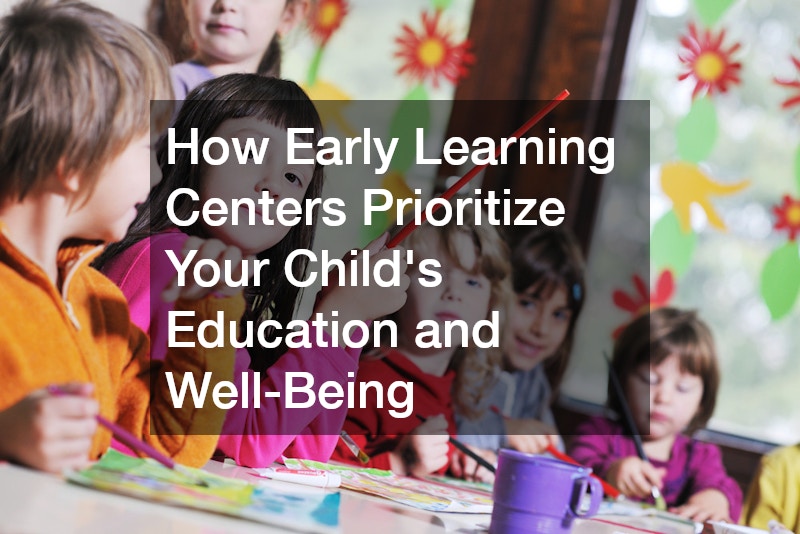
Early learning centers play a crucial role in the development of young children. These centers are designed to provide a nurturing environment that combines education with care. They focus on both cognitive and emotional development, ensuring that children are equipped with the skills they need for future academic success. Through structured play and various learning activities, early learning centers help children develop critical thinking, communication, and problem-solving skills.
By fostering these abilities, they lay a solid foundation for lifelong learning and well-being.
In addition to educational benefits, early learning centers prioritize children’s emotional and social well-being. These centers create a safe and welcoming space where children can interact with peers, build friendships, and learn social skills. Teachers and staff are trained to recognize and support children’s emotional needs, helping them to express feelings and manage emotions constructively. By focusing on social-emotional development, early learning centers contribute to the formation of positive self-esteem and resilience in children.
Working closely with families is another integral part of early learning centers’ approach. By engaging parents and guardians, these centers ensure that learning extends beyond the classroom and into the home. Regular communication between educators and families allows for a shared understanding of a child’s progress and needs. This partnership helps to reinforce the skills learned and provides a consistent support system for the child. Together, early learning centers and families create a cohesive environment conducive to growth and well-being.
Curriculum and Activities Tailored for Holistic Development
At the heart of early learning centers is a well-designed curriculum that supports the holistic development of children. The curriculum typically integrates various areas of learning, including literacy, numeracy, science, art, and physical development. Through diverse activities, children are encouraged to explore their interests and learn through hands-on experiences. These activities are often designed to engage children’s natural curiosity, promoting both independent and group learning. By providing a balanced and comprehensive curriculum, early learning centers support intellectual and creative growth.
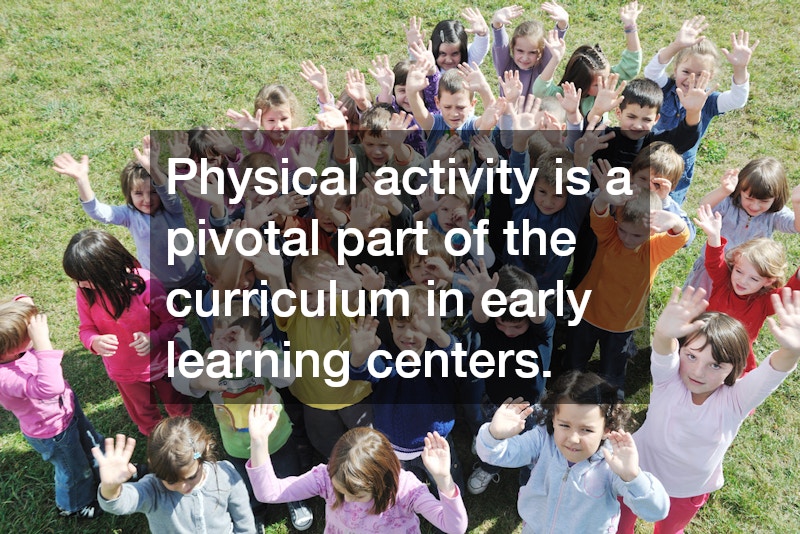
Physical activity is a pivotal part of the curriculum in early learning centers. Regular movement and play promote physical health and development, which are essential for cognitive performance. Activities like running, jumping, and dancing help enhance motor skills while also teaching discipline and teamwork. Early learning centers often include outdoor play and physical education as core components of their programs. This focus on physical activity supports children’s overall well-being and complements academic learning.
Early learning centers also prioritize experiential learning through field trips and special projects. These experiences allow children to apply classroom knowledge in real-world contexts. For example, a visit to a local museum could enrich a lesson on history or science, making learning more tangible and memorable. Such activities not only reinforce academic concepts but also foster a love for learning. By exposing children to diverse environments, early learning centers equip them with the adaptability and curiosity needed for lifelong success.
The Importance of Qualified and Dedicated Educators
Qualified and passionate educators are at the core of successful early learning centers. Teachers in these centers are typically trained in early childhood education, ensuring they understand how to engage young learners effectively. Their expertise allows them to create lesson plans and activities that are developmentally appropriate and responsive to individual learning styles. With a deep understanding of child psychology and pedagogy, these educators play a critical role in ensuring children’s educational advancement and emotional well-being.
Moreover, early learning centers often emphasize continuous professional development for their educators. This commitment to ongoing training helps teachers stay abreast of new educational research and strategies, enhancing their teaching effectiveness. By fostering a culture of learning among staff, early learning centers maintain high educational standards and innovative teaching practices. Teachers are thus equipped to inspire curiosity, creativity, and a love for learning in their students.
Collaboration between educators is another key component of successful early learning centers. Teachers work together to develop comprehensive educational strategies that cater to diverse student needs. Regular team meetings and collaborative planning sessions allow educators to share insights and resources, contributing to a dynamic learning environment. This teamwork not only benefits teachers but also significantly enhances the educational experiences of the children in their care. By fostering a collaborative environment, early learning centers ensure that every child receives personalized attention and the best possible education.
Creating a Safe and Supportive Learning Environment
Safety is a top priority for early learning centers, ensuring that children learn and play in a protected environment. Centers implement strict safety protocols and conduct regular inspections to maintain a secure facility. Childproofing measures, secure playgrounds, and supervised activities are among the practices employed to guarantee physical safety. Moreover, centers often have emergency procedures in place, ensuring preparedness for any unexpected situations. By prioritizing safety, early learning centers provide an environment where children can freely explore and learn without risk.
Alongside physical safety, early learning centers focus on creating an emotionally supportive environment. This involves fostering an inclusive atmosphere where every child feels valued and respected. Positive reinforcement, kindness, and empathy are integral to interactions between staff and children. Teachers are trained to recognize signs of distress or difficulty and provide the necessary support to address these issues. Such an emotionally secure environment is essential for children’s ability to thrive both academically and socially.
Finally, early learning centers emphasize the importance of community involvement in creating a supportive learning environment. By engaging with local organizations and resources, these centers enhance educational and developmental opportunities for children. Community partnerships can include collaborations with libraries, educational workshops, or cultural events. These connections enrich the learning experience and provide children with a sense of belonging and community. By integrating community resources, early learning centers ensure that children enjoy a holistic and enriched educational experience.