
Choosing the right preschool for your child is an important decision that can impact their early learning and development. As parents, we naturally want the best for our little ones, which means understanding what qualities make a preschool outstanding. While many factors contribute to a preschool’s reputation, some key characteristics stand out that can guide your decision. In this blog post, we will explore the essential qualities of top preschools and how they create a nurturing environment for children. From qualified educators to engaging curricula, these attributes can make all the difference in laying a strong foundation for your child’s educational journey.
One of the most critical qualities of top preschools is the experience and qualifications of their educators. Highly trained and enthusiastic teachers are fundamental to providing quality early childhood education. These educators not only possess the academic credentials required but also understand the developmental milestones of preschool-aged children. They are skilled in creating a stimulating environment that encourages exploration and learning through play. Moreover, the best preschools often offer ongoing professional development opportunities for their teachers, ensuring that they stay updated with the latest educational practices and child development theories.
Another significant aspect of top preschools is a well-rounded and engaging curriculum. Quality preschools implement a curriculum that fosters cognitive, social, emotional, and physical development. They often employ a play-based learning approach, which is crucial for young learners, as it encourages creativity, problem-solving, and social skills. Evidence shows that when children are engaged in meaningful, hands-on activities, they are more likely to retain information and develop critical thinking abilities. Therefore, top preschools often incorporate a variety of subjects, including art, music, science, and literacy, to ensure that children receive a holistic education that prepares them for future academic success.
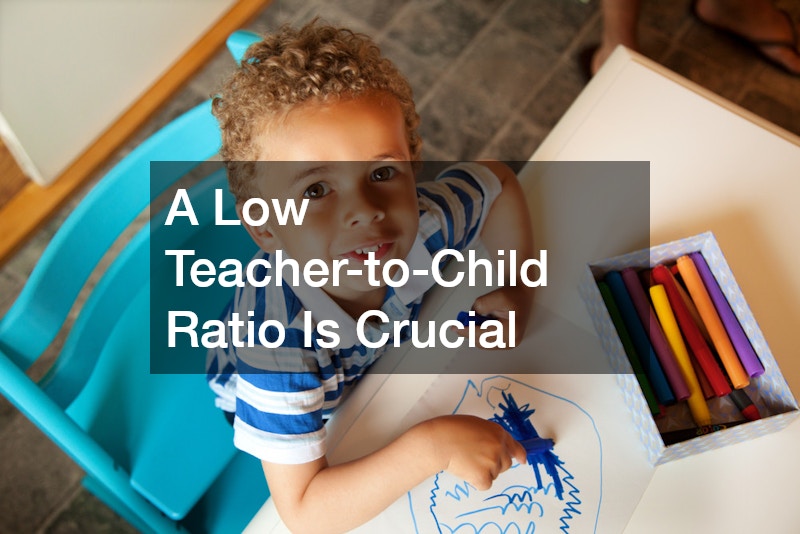
The learning environment is also vital in determining the quality of a preschool. A top-notch preschool provides a safe, clean, and inviting space where children feel comfortable and eager to participate. This environment includes age-appropriate furnishings, a variety of learning materials, and designated areas for different types of play, such as quiet time, group activities, and outdoor exploration. Additionally, an effective preschool will have a low teacher-to-child ratio, allowing for personalized attention and fostering meaningful relationships between teachers and students. Such environments not only enhance learning but also promote a sense of community among families.
Family involvement is a quality that sets the best preschools apart from the rest. Top preschools understand that parents are a child’s first teachers and strive to maintain strong partnerships with families. Programs that encourage parent participation in activities, workshops, and regular communication create a collaborative atmosphere that benefits children’s learning. When families are engaged, they can reinforce the skills taught at school and help foster a love of learning at home. Opportunities for parents to volunteer, attend events, or provide feedback not only strengthen the preschool community but also empower parents to play an active role in their child’s education.
Finally, outstanding preschools strive for inclusivity and diversity. They recognize that children come from various backgrounds and have unique needs. The best preschools create an environment where all children feel valued and respected, fostering a sense of belonging. This commitment to inclusivity extends to hiring diverse staff members and implementing curricula that reflect various cultures and perspectives. By doing so, top preschools equip children with critical social skills and empathy, preparing them for a diverse world. Furthermore, a diverse learning environment promotes curiosity and understanding among children, laying the groundwork for respectful and compassionate interactions as they grow.
In conclusion, selecting the right preschool involves careful consideration of several factors. The qualities of top preschools—such as experienced educators, a well-rounded curriculum, an inviting learning environment, family involvement, and inclusivity—play a vital role in a child’s development. As parents, ensuring that the preschool you choose nurtures your child’s growth and learning journey will contribute to their long-term academic success. By recognizing these essential qualities, you can make an informed decision and find the perfect preschool that aligns with your family’s values and your child’s individual needs.